


고방 앱에서
더 쉽고 편리하게
이용해보세요!
더 쉽고 편리하게
이용해보세요!


Visiting Seoul for a while and wondering where to stay? Most listings in Korea show a "one-room," which English speakers would call a studio, but that's only one option. Goshiwons, share houses, and co-living houses are just as common, and each one fits a different budget and lifestyle.
The tricky part is that the price, the contract, and the daily life in each type are very different. A cheap room can feel too small, and a private studio can ask for a deposit you didn't plan for.
So this guide for foreigners compares the four housing types side by side: what they cost, how they work, and who each one suits best.
Single residents in Korea usually choose between four types. The biggest difference is how much space you share with other people.
In a goshiwon, you get a small private room and share the kitchen and often the bathroom. A share house gives you your own bedroom in a larger home, with a shared living room and kitchen.
A co-living house offers a more independent private room, often with its own bathroom, plus shared lounges and community programs. A studio is a fully private unit with its own kitchen and bathroom.
💡 Goshiwon* is a small furnished room in a building with many rooms along a hallway. It started as a place for students preparing for state exams, and today many single residents choose it for its low cost. It's also spelled gosiwon, and listings may call it a goshitel or one-room-tel.

Price is usually the first filter. Based on Seoul listings on Gobang in February 2025, goshiwons were the cheapest at about ₩390,000 a month, followed by share houses in the ₩400,000s.
Studios and co-living houses cost more each month, and studios also need a much bigger deposit. Keep in mind these are averages, so prices change a lot by neighborhood and room condition, and they may have moved since 2025.
Utilities work differently in each type, so always ask what the monthly price covers.
💡 Deposit is a lump sum you pay before moving in and get back when you move out, minus any unpaid rent or damage costs.

A goshiwon is the quickest way to get a roof over your head. Contracts are simple, many places let you move in right after signing, and the room already has a bed, desk, and chair.
The trade-off is space and privacy. Rooms are small, walls can be thin, and you'll wait your turn for the kitchen at busy times.
A goshiwon works best if you're on a tight budget, staying for a short time, or want to live near a university or downtown without paying downtown prices.
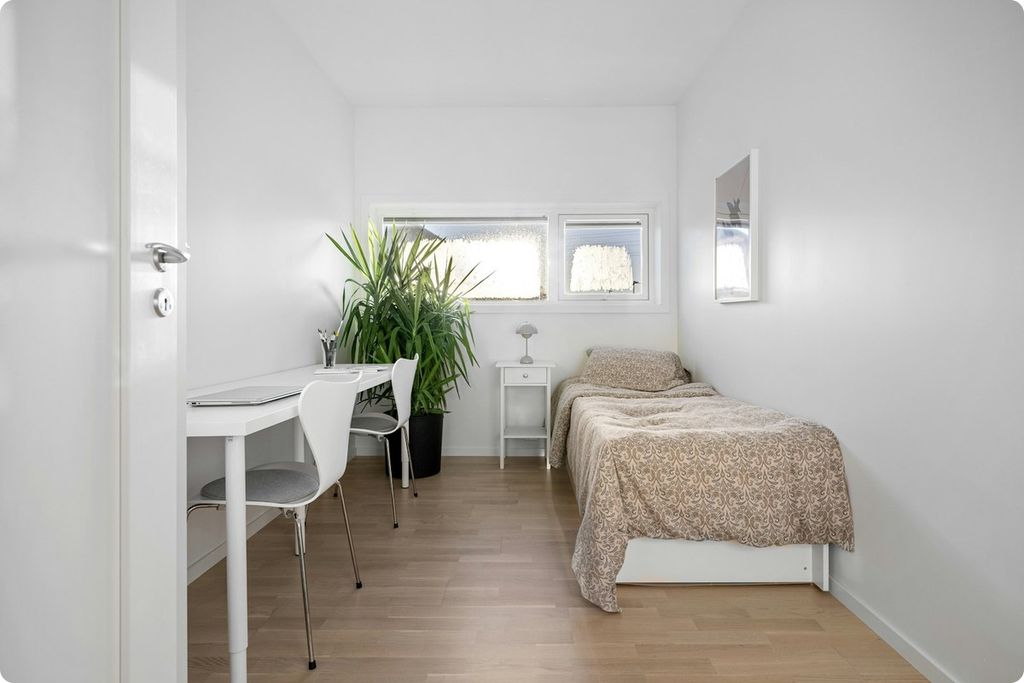
A share house is a good middle ground. It usually costs a little more than a goshiwon, but the home is larger and more comfortable, with a real living room and a better-equipped kitchen.
You also get housemates, which can make settling into a new country less lonely. On the other hand, different lifestyles can clash, and shared spaces need cleaning rules everyone follows.
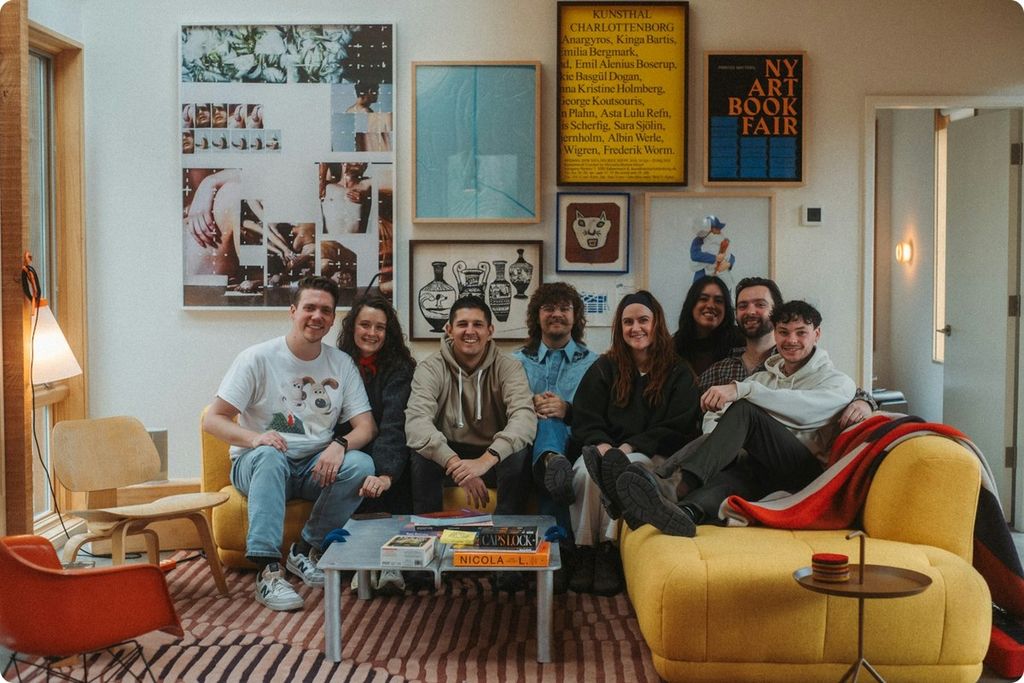
A co-living house is for people who want their own space and a social life. Private rooms are more independent than in a share house, and many newer places include a private bathroom or even a small kitchen.
Shared areas like lounges, kitchens, and fitness rooms are usually bigger and nicer. Many houses also run regular events such as movie nights or networking parties, which makes it easier to meet people.
▢ The monthly cost fits your budget (it's higher than a share house)
▢ The community events match your personality
▢ You know the rules and hours for shared spaces
▢ You checked the house's social media to see the vibe
💡 Co-living means "living together," a type of housing where residents have private rooms but share larger common spaces and community programs.

A studio gives you complete privacy. You cook, shower, and live on your own schedule without waiting for anyone.
The catch is cost and commitment. The deposit is much higher, utilities are usually separate, and leases often run a year or longer. You're also responsible for your own cleaning and small repairs.
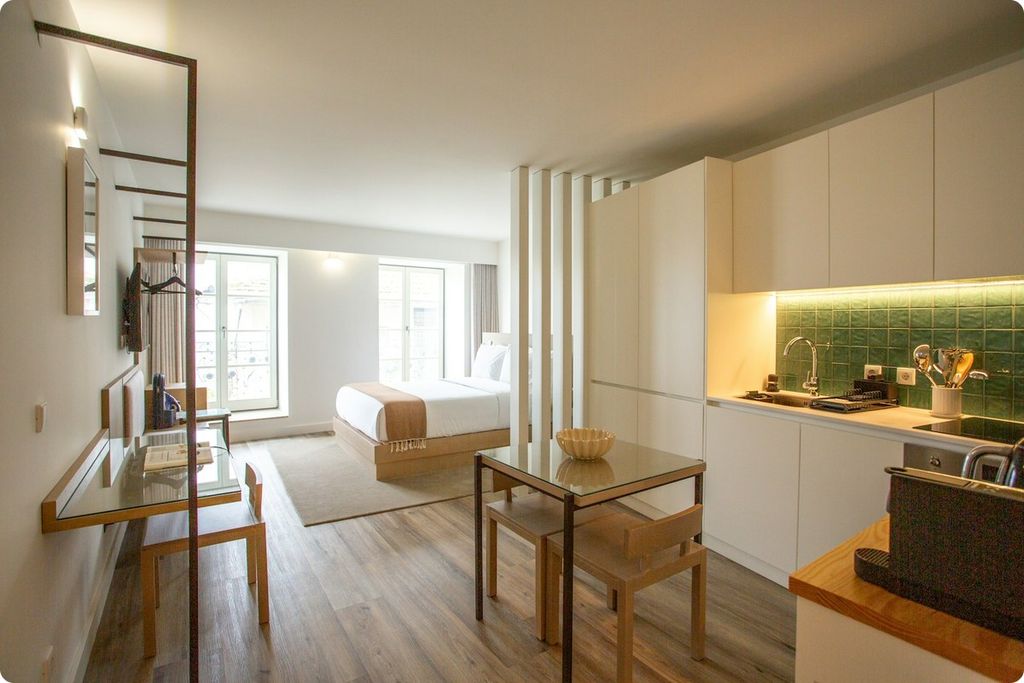
Short stays are where the four types differ most. Goshiwons and share houses are the two types best known for short-term contracts, but the minimum stay depends on the place.
Some goshiwons accept one week, some want two weeks or more, and some take only a full month. Share houses usually start at 3 to 6 months. A few houses accept 1 to 2 months, but the price can be higher: one month on a three-month plan can cost ₩50,000 to ₩100,000 more per month.
Some listings don't make it clear that they don't accept short contracts, so confirm before you pay. On Gobang, you can set the contract period in the filter to see only the rooms that match.
If you find a better place sooner than planned and can't get the remaining amount back, that money is lost. Knowing the refund rule up front keeps a short stay from getting expensive.
There's no single right answer. Budget, length of stay, and how much you like sharing decide which type works for you.
If you're new to Korea and not sure where you'll settle, starting in a goshiwon or share house and moving later is a smart, low-risk plan.
▢ Tight budget or short stay → Goshiwon (check the minimum stay first)
▢ Want more space and housemates → Share house
▢ Want privacy and a social life → Co-living house
▢ Staying long and want full privacy → Studio
Ready to find your place? Start on Gobang!

공유
청년 지원·절약 정보
매주 핵심만 골라 받아보세요!

구독하기
 댓글 작성 중
 댓글작성


휴대전화 카메라로 QR 스캔하고 앱 설치해 보세요!
